
The Kamathipura red light area is a constantly buzzing hive of stinging viciousness and extreme danger, particularly for children who are captive candidates for being trafficked. One of the main reasons why Prerana’s centres are located right in the midst of the red light areas is to ensure that we are constantly on the vigil and able to track the children’s situation and movements.
Our strong presence in the red light area and our intensive outreach system helps us in identifying children who are at risk and hence in need of immediate care and protection. We have, in the past been able to ensure successful protection of a large number of children owing to timely detection and intervention.
In the beginning of our intervention we faced several challenges and found ourselves clueless as we had yet to grasp the situation in its entirety. Our own understanding was developing in bits and pieces. Over the years we managed to put together the pieces of the jigsaw puzzle and get a complete picture.
Prerana On The Ground
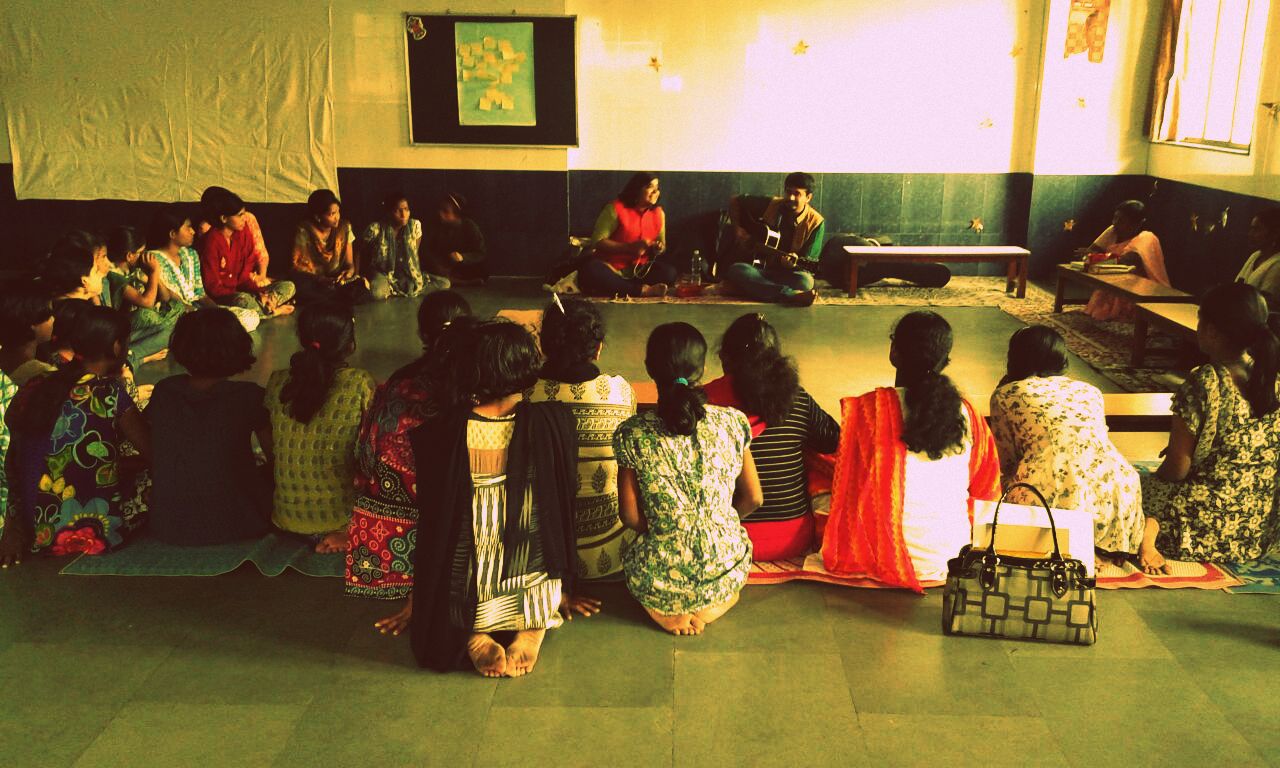
We started our first intervention in the year 1986 in the Kamathipura red light area of Mumbai. In response to the various challenges before us Prerana evolved many need-based programmatic interventions which, later we realized, were radical in many ways. Extensive outreach is one such important component of our intervention in the red light districts of Mumbai.
At the time, the State and the civil society had a common stance vis-a-vis the sex trade-tolerationism. In an informal way of zoning, the activity was tolerated by both despite knowing very well that what was happening inside those zones was highly illegal and criminal. It was conveniently labeled as immoral and ghettoed.
As the population in the island city of Mumbai grew along with the operations in the red light districts the clashes between the sex trade and the civil society became frequent. The sex trade placed the prostituted women on its ever increasing peripheries and the civil society hit back by condemning the women and pressurizing the police to unleash brutal violence against them. One of the factors that made Prerana locate its services right in the heart of the red light districts was to ensure that women don’t get exposed to such repression while using these services and that the fear of the repression does not prevent them from availing the services.
The sex trade in the red light districts of Mumbai has been operated by multiple criminal gangs for the past several decades. The elements of criminal captivity and control continue to characterize these districts. Captivity was a little higher for those trafficked women who were recruited from the non-Devadasi belt. (The traditional Devadasi cult was a major source of supply of prostituted women to Mumbai). The prostituted girls and women from Nepal and Bangladesh fell in this category.
The element of captivity and control by the sex traders was so rampant that some women could not easily walk around within the confines. Most Nepali girls and women were confined in cages which had shutters and locks. We decided to overcome this hurdle by personally visiting the brothels. We prepared a team of our social workers and para professionals and invested in them. That paid good dividends and created the foundation of our outreach team.
As the children of the red light area based prostituted women face indescribable trauma, violence and deprivation especially in the peak business hours we started night time crèches for them in a class room in a local public school building. We named it the Night Care Centre since the term ‘crèche’ was incapable of capturing its significance even minimally.
Meeting Radha and Bholi
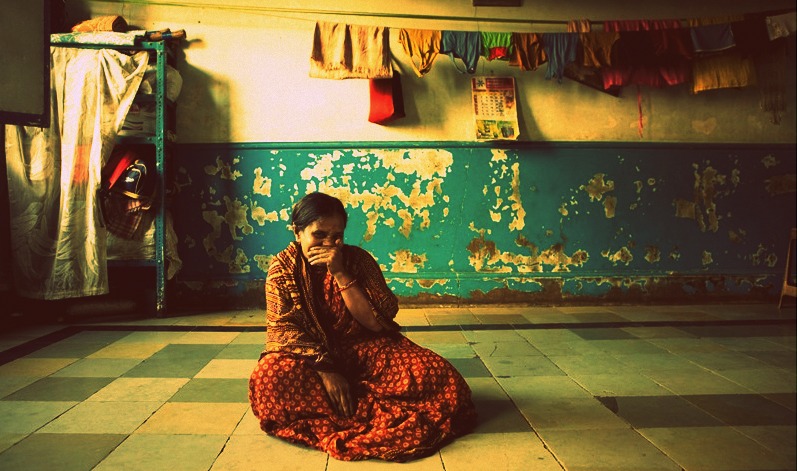
During one such outreach visit in the year 1999 our team first met Radha Nepali (name changed) in a brothel in Kamathipura. Radha was trafficked from the extremely backward north western hilly region of Nepal. When she was sold to a Nepali brothelkeeper in the redlight district, she was 16 years old. She had a 3 year old daughter, Bholi (name changed).
The team verbally informed Radha about the various child protection and welfare services Prerana had started and proposed to her to send Bholi at least to the NCC
Radha’s brothel keeper seemed open to the idea of sending Radha and Bholi out of the brothel. Our overall strategy proved correct.
We had strategically avoided openly confronting the brothel keepers and showing all our cards. (more about this on some other occasion). We thus overcame that hurdle effectively and managed to have Bholi admitted to the nightly shelter the NCC. Radha proved to be a responsible mother and attended all the monthly meetings meant for the mothers. Bholi adjusted very well to the NCC.
Soon after that in the year 2000, Radha’s heath began to fail. We supported her for a complete medical check-up. Finally the HIV test was conducted as per the advice of the doctor and Radha shared the result with us. She was detected HIV positive. Although she was provided all the necessary support in terms of nutrition and medicines, Radha succumbed to a co-infection of HIV. Bholi was then barely 5 years old. In her last days Radha was very concerned and vocal about the future of Bholi. She repeatedly requested us to protect her from the sex trade.
Soon after Radha’s death, her brothel keeper stopped sending Bholi to the NCC. She even started hiding Bholi inside the brothel every time she found that Prerana’s Outreach team was on its way.
Rescuing Bholi
Some brothel keepers had allowed the children to attend the NCC and such other activities hoping that by sending their children to the developmental activities of Prerana they would be able to modernize and scale up their business by having well educated and English speaking prostitutes. For other brothel keepers, having a child of the prostituted women in their brothels was like having captive free-of-cost recruit who could be sold anytime or put to the trade eventually. Radha’s brothel keeper was of the second type. She wanted Bholi to take the place of Radha. Sensing the danger that Bholi will be trafficked we decided to have her officially and legally rescued.
As a part of the overall strategy, Prerana always avoided appearing prominently in the forefront of rescue operations. We had been regularly networking with civil society anti-trafficking organizations whose primary focus was facilitating rescue.
In September 2002, in a search and rescue operation conducted by the local police and facilitated by the said rescue organization Bholi was rescued and produced before the Juvenile Welfare Board (after the 1986 amendment in the Juvenile Justice Act the same is renamed as Child Welfare Committee) who placed her in a shelter facility for girl children.
After 6 months, she was transferred to yet another suburban shelter facility as the previous one could not keep girls above 6 years. Bholi was just about to turn six.
Tracking Bholi
Prerana’s outreach was not confined to the red light areas. We tried to maintain regular contact with the children even after they got placed in institutions of residential care and development. It is not always possible to do so in every case as many factors such as the overall managerial culture and worldview of the organizations running the shelter, the inclination of the person in authority etc all would determine whether our continued contact and inputs to the child would be allowed or not.
In Bholi’s case the organization was open to our continued follow up and cooperated very well.
Bholi’s Progress
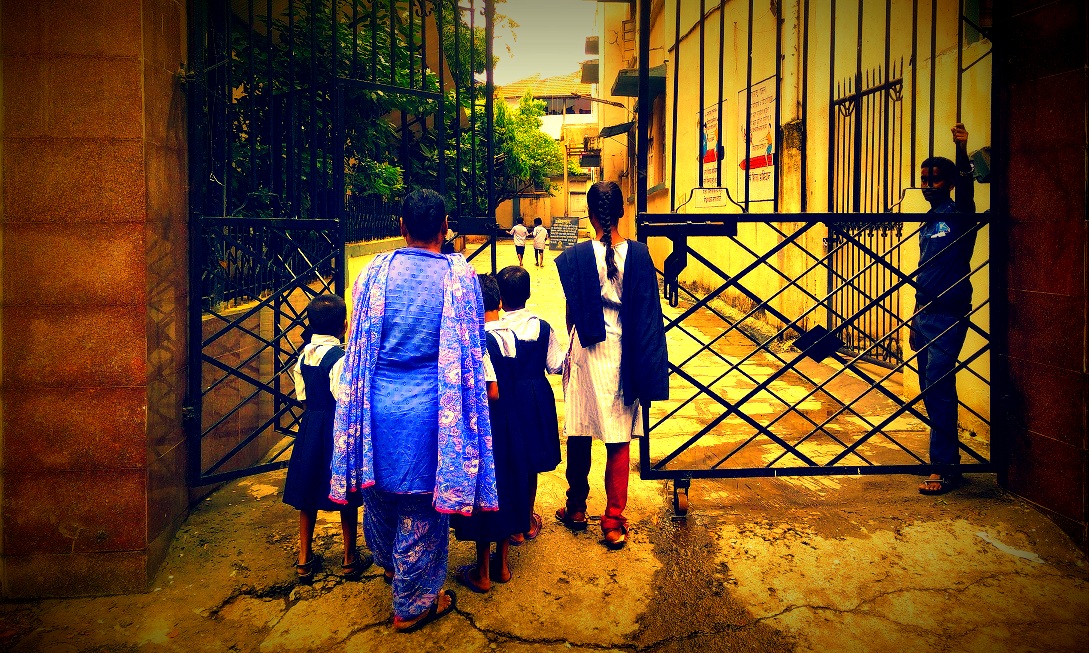
For 10 years after, till the age of 16, Bholi lived in the suburban shelter. Prerana followed up with her progress and well-being closely and consistently.
Our Institutional Placement Programme Team (IPPT) made it a point to meet Bholi once every month. Although we place these children in outside shelter facilities our programs are inclusive for all children we come in contact with. The IPPT ensured that Bholi participated in all our outdoor camps and special workshops.
Bholi regularly spent the month long summer and Diwali vacations at Prerana’s centres. We noticed that Bholi had developed the capacity for independent thinking. She possessed a courageous temperament. She was open to admit her mistakes and got along very well with everyone around. A harmonious and professionally collaborative relationship between Prerana and the Shelter was very crucial for this process.
In her stay at the shelter facility Bholi developed a trusting relationship with an older girl named Gopi (name changed) who was also a resident of the same shelter and a Prerana beneficiary. Both of them bonded very well and Gopi assumed the responsibility of mentoring Bholi. When Gopi turned 18 and was ready to move out of the shelter facility she expressed her desire and commitment to take charge of Bholi when she (Bholi) turned 18 years and got ready to move out of the shelter.
Higher Studies
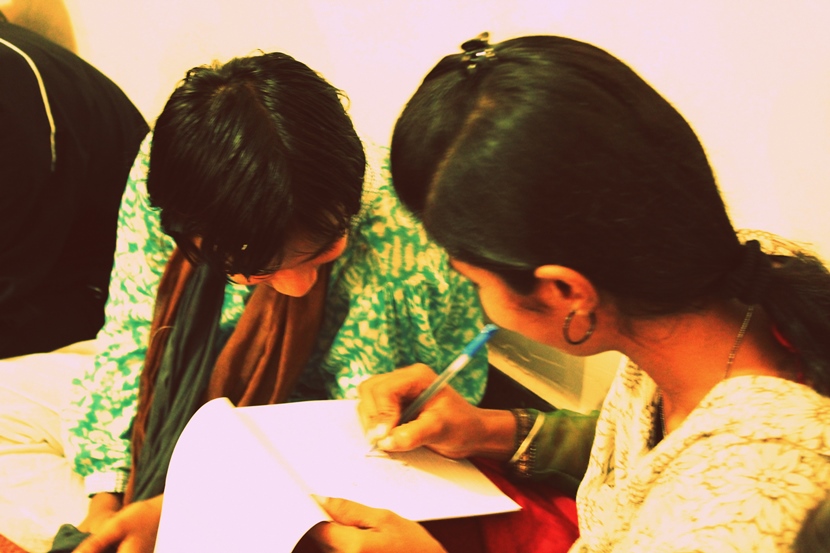
In the academic year 2012-13, Bholi passed her 10th standard Board examination with 51% marks. She then moved into Naunihal (a shelter facility run by Prerana) in June 2013. We worked on her care plan in which she had expressed her desire to learn computer technology and take up a front desk job. When Bholi turned 17 we helped her get enrolled for a Diploma Course in Computer Applications at a Computer Education Centre in the Central suburbs of the city.
Simultaneously, in the month of June 2014 Bholi appeared for an entrance exam of the Yashwantrao Chavan Open University. Bholi passed the entrance exam and is now pursuing her Bachelor’s Degree in Arts. Bholi also completed her computer course successfully. As she turned 19, she moved out of Naunihal and into our Falkland Road Night Care Center.
In the month of November 2014, upon Bholi’s request, she was enrolled in an eminent Foundation for a Vocational Training program in Hospitality for a period of 3 months (the name of the Foundation is not disclosed to protect Bholi’s identity).In January 2015, Bholi was given an award for Full Attendance at the training institute during an Award Ceremony organized by that Foundation. After the completion of her course, Bholi was placed as a front desk operator in a popular laundry chain that is currently gaining considerable popularity in Mumbai city.
Prerana Will Always Be There
As is obvious from Bholi’s journey, it takes great efforts to ensure not just long term protection but also care development and future planning. The task of an organization does not end with just rescuing a child.
Appropriate follow-up and hand holding are integral to the post-rescue component. Successful social mainstreaming requires that holistic services and facilities are made available to the child in a timely manner. Furthermore, the case also brings forth the engagement of another girl, Gopi, who tended to the needs of Bholi. This highlights the manner in which Prerana encourages and engages with children.
Currently, Bholi is very well settled and has been socially mainstreamed with a steady and decent income. And Gopi never forgot her promise. When Bholi turned 18, she took her into her own house. They are now part of one happy family.
- Dr.Pravin & Priti Patkar

